
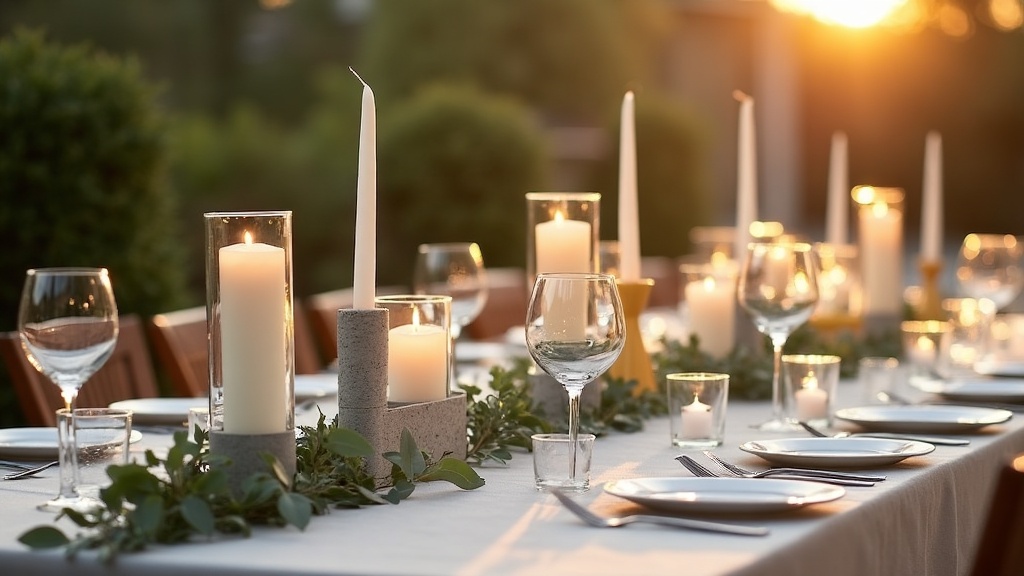
If you need the short answer on how to choose candles for event styling: match the candle type to the visual goal (romance, drama, minimalism), confirm burn time exceeds the full event window with a 30–50% buffer, size the candle to the vessel (10–15 mm clearance) and the venue’s wind/heat conditions, align color and fragrance with the palette and client sensitivities, and buy a tested, professional-grade supply with 10–20% overage for swaps and breakage. Then stage with hurricanes where airflow is unpredictable, pre-burn tapers for clean flames, and document table-by-table lighting, maintenance and extinguishing plans.
Why Candles Still Win in Professional Event Styling
Even as LED technology improves, real flame adds warmth, movement and depth that cameras love and clients remember. For wholesale florists, event and wedding designers, and gift retailers, candles also offer high-margin upsell pathways: bundling vessels, florals and tablescaping services; subscription replenishment for venues; and color-forward seasonal displays. As a Canadian distributor focused on Polish-made glassware, candles, artificial florals/greenery and décor, Canpol supplies trade buyers with the reliable building blocks to execute at scale across Canada and the USA.
Selection Criteria: A Professional Framework
Before you shop, anchor your selection to six decision pillars. This ensures your choices survive real-world conditions—drafts, long speeches, tight flip times—and protect your margins.
1) Look and Intent
- Atmosphere: Soft romance (floating/votives), classic formal (tapers), modern minimal (pillars in clear cylinders), dramatic/architectural (clusters, staggered heights), luxe statement (oversized hurricanes).
- Camera behavior: Tall flames can flicker in drafts; dense clusters read as glow on lenses; smoky paraffin can haze under low ceilings—control with quality wax and proper ventilation.
- Palette: Whites/ivories for timeless; taupe/stone/greige for modern neutrals; seasonal tones (sage, blush, merlot) for brand or wedding palettes; metallic vessels for warmth without color shift.
2) Function and Burn Window
- Map the active flame window: pre-guest open, ceremony, cocktail, dinner, dancing, afterparty. Sum the total hours candles must stay lit.
- Apply a buffer: choose SKUs with published burn times at least 30–50% longer than your planned window. Example: a 6-hour dinner needs 8.5–9 hours true burn—select 10–12 hr votives or longer tapers/pillars accordingly.
- Consider relight points: Some tapers re-light better when the wick is pre-trimmed and mushrooming avoided; some pillars tunnel if re-lit late. If your event demands multiple relights, bias toward pillars in hurricanes or higher-grade tapers.
3) Venue, Climate and Safety
- Airflow: Outdoor, tented or ventilated halls call for hurricanes/cylinders. In still, air-conditioned rooms, low votives can survive bare.
- Surface sensitivity: Heat can mark lacquered or antique tables—always use a heat-safe base under pillars and tapers (plate, saucer, riser).
- Local regulations: Check the venue’s fire policy. Many require enclosed flames, dripless tapers, or water under floating candles. Align in advance.
- Materials: Ask your supplier about wick composition (lead-free), self-extinguishing features in tealights, and adherence to recognized candle safety standards. Don’t assume; verify.
4) Wax System and Performance
- Paraffin: Predictable burn, strong flame, crisp colors. Can smoke if wick is long or drafty; manage with trimming and shielding.
- Palm/Bees/Soy blends: Softer aesthetic, often slower melt, popular with eco-conscious clients. Performance varies—test for drip and stability in your vessels.
- Wick engineering: Flat-braid vs square-braid; coreless vs paper/cotton cores. Choose wicks scaled to diameter to avoid tunneling (undermelt) or excessive melt pools (overmelt).
5) Vessel and Hardware Fit
- Clearance: For pillars inside hurricanes/cylinders, allow 10–15 mm gap on all sides for oxygen and heat escape; 20 mm if outdoors.
- Height: Keep flames at least 50–75 mm below rim in hurricanes to reduce sooting and heat stress on glass.
- Stability: For tapers, choose weighty holders with snug sockets. For floating candles, choose bowls/cylinders wider than 1.5× candle diameter for serene reflections.
6) Operations: Sourcing, Costing and Logistics
- Supply reliability: Choose vendors with deep, consistent inventory and cartons engineered for transport. Factor breakage policy and lead times.
- Case packs and replenishment: Standardize on a core set of candle and glass sizes so you can rotate inventory across jobs.
- Event math: Build a calculator by table size/format (rounds, banquets, ceremony rows) and standardize SKUs for repeatability.
Comparing Candle Types for Events
Each candle family has a job. The table below summarizes where each shines for professional work.
| Candle Type | Signature Look | Typical Burn Time | Pros | Cons | Best Uses |
|---|---|---|---|---|---|
| Votive (in cup) | Low, intimate glow | 8–10+ hrs (quality-dependent) | Inexpensive per point of light; easy to shield in glass | Underwhelming outdoors; frequent re-space if table shifts | Dining tables, bars, backbars, ledges, restrooms |
| Tealight (metal/plastic cup) | Punctuated sparkle | 4–6 hrs (standard), 8–10 hrs (extended) | Fast to deploy; low heat footprint | Shorter burn; easy to extinguish with drafts | Accent fills, lanterns, small vessels, budget layering |
| Taper | Elegant vertical line | 6–12+ hrs by height/diameter | High visual impact; great for photos; compact storage | Needs draft control; dripping if wick mismanaged | Head tables, ceremony altars, mantelpieces |
| Pillar | Substantial, sculptural | 30–120+ hrs by diameter/height | Long burn; stable; versatile in cylinders/hurricanes | Heavier; higher unit cost | Entry features, lounges, buffet credenzas, floor clusters |
| Floating | Reflective, romantic | 4–8+ hrs by diameter | Amplified glow via water; wind-resistant in deep bowls | Needs vessel + water staging; post-event water disposal | Centerpieces, ceremony aisles, stair landings |
| Hurricane/cylinder with insert | Protected, architectural | Matches inserted candle | Draft control; compliance with many venue rules | More glass to transport and clean | Outdoors, tented, heritage venues, tall installations |
Step-by-Step: Building Your Candle Plan
Use this repeatable workflow from inquiry to strike. It’s designed for speed, reliability and profit protection.
Step 1: Define the Lighting Objective in One Sentence
Examples:
- “Modern-romantic reception with clean glass cylinders, muted ivory glow, and no smoke under a 14-foot ceiling.”
- “Glamour-forward, tall tapers in stone holders up the head table, with floating candles echoing in low bowls down guest tables.”
- “Garden tent ceremony needing stable, wind-sheltered flames and quick strike before dinner service.”
Step 2: Map the Timeline and Burn Window
- Load-in and pre-light: 30–90 minutes before guest arrival (determine staffing).
- Ceremony: 30–60 minutes.
- Cocktail hour: 45–90 minutes.
- Dinner and speeches: 2–3 hours.
- Dancing/afterparty: 1–3 hours.
Total example: 6.5–9 hours of active flame. Add 30–50% buffer: target SKUs offering 9–13.5 hours of reliable burn for your smallest elements, even more for feature pieces.
Step 3: Select Candle Families by Zone
- Ceremony focal: Large pillars in clear Polish glass hurricanes (stability + wind control) or a tapestry of staggered cylinders.
- Aisle: Floating candles in tall cylinders, or low pillars in storm sleeves to satisfy enclosed-flame policies.
- Cocktail: Votives/tealights in small holders—scale by surface size and guest flow.
- Dining: Mix of pillars in cylinders (for safe longevity) and low votives for intimate glow; tapers along head table with stable holders.
- Features: Entry console, fireplace mantels, bar back—use pillar clusters and lanterns for visibility and fewer relights.
Step 4: Size the Candle to the Vessel
Follow these practical pairings:
- 75–80 mm diameter pillars in 100–120 mm internal-diameter hurricanes for 10–20 mm side clearance.
- Tapers 250–300 mm tall in weighted holders with 22–23 mm sockets (standard) or as specified by your SKU.
- Floating candles 70–75 mm diameter in bowls/cylinders 150–200 mm wide for radiant reflections and easy water top-up.
- Votives in tight-fitting glass cups; avoid oversize cups that cause side scorching and wasted wax.
Step 5: Color and Fragrance Decisions
- Color: Keep candles neutral when florals are complex. Use color in tapers or floating candles when linens and flowers are restrained.
- Finish: Matte vs gloss. Matte reads modern; gloss increases specular highlights in photography.
- Fragrance: For events, default to unscented. If retail displays require fragrance, separate scented zones from F&B areas and provide alternatives for scent-sensitive shoppers.
Step 6: Burn Testing and Sampling
- Always test unfamiliar SKUs. Simulate draft with a small fan and capture soot/residue results on a white card near the rim.
- Document actual burn time to 50% height and to end-of-life under your glassware. Record wick trimming intervals that eliminate mushrooming.
- Photograph flame height versus vessel rim—useful for client sign-off and crew training.
Step 7: Quantities and Overages
For professional reliability:
- Order 10–15% more candles than calculated for contingency; 20% for outdoor or multi-day events.
- Order 5–10% spare glass vessels to offset transit or onsite breakage.
- Pre-stage extra tealights/votives in identical holders near zones for quick swaps.
Step 8: Crew Plan—Lighting, Maintenance, Strike
- Lighting order: From farthest zones toward exits; tallest pieces first to avoid leaning over open flame later.
- Tools: Butane wands, wick trimmers, snuffers, microfibre cloths, gloves, heat-resistant trays, water carafes for floaters.
- Maintenance loop: Assign one runner to trim any mushrooming tapers after first hour; top up water for floaters halfway through reception.
- Strike: Snuff, cool, then cradle glass. Never pour wax down drains; allow to harden, then gently release from vessels.
Real-World Use Cases and Preset Packs
Speed your quoting and packing by adopting standard recipes. Calibrate once, repeat often.
Round Table, 60″–72″ (8–10 guests) — Classic Romantic
- Center: 3x pillars (75×150 mm) inside 3x glass cylinders (100×200 mm, 100×250 mm, 100×300 mm) for staggered heights.
- Perimeter: 6–8x glass votive cups with long-burn votives.
- Florals: Low compote or runner weaving between cylinders.
- Burn window: 7–9 hours; choose 60–80 hr pillars for reusability and buffer.
Rectangular Banquet, 8′ — Modern Minimal
- Linear run of 7–9 cylinders (80–100 mm ID × 200–300 mm tall) each with 50–70 mm diameter pillar.
- Interleave 12–16 unscented votives in tight cups for micro-glow without clutter.
- Greenery: Narrow faux ruscus/ivy runner to soften glass edges.
Head Table — Elevated Elegance
- Every 600–800 mm: 2–3 tapers at alternating heights (250–350 mm) in weighted holders.
- Behind line of tapers: low-run of pillars in short hurricanes to add depth and wind stability from HVAC.
- Burn care: Pre-burn tapers 10–15 minutes in studio to establish clean wick crowns (improves first-hour behavior on-site).
Tented Ceremony Aisle — Draft-Resistant
- Pairs of 100×300 mm cylinders with 75×200 mm pillars, spaced every 1.5–2 m.
- Optional: Water-weight 25–40 mm at base for stability; use clear adhesive dots to prevent rattling on rental flooring.
- Strike speed: Assign a two-person team with heat gloves and rolling carts to clear 40+ cylinders in under 10 minutes.
Safety and Compliance: What Pros Check
You’re responsible for safe deployment. Build these checkpoints into your proposals and crew briefs.
- Venue rules: Confirm enclosed-flame requirements, allowable holder heights, and placement distances from soft goods.
- Table protection: Use heat-safe coasters/plates under pillars and tapers; never set bare wax directly on linens.
- Wick discipline: Trim to ~6 mm before lighting; re-trim if you extinguish and relight.
- Clearances: Maintain flame-to-floral and flame-to-drape clearances. Keep foliage outside hurricane rims.
- Extinguishing: Prefer snuffers over blowing to prevent splatter and soot.
- Children and traffic: Keep flame at least 150 mm from table edges on kids’ tables and high-traffic bars.
- Supplier diligence: Ask about lead-free wicks, consistent wax blends, quality controls and conformance with recognized safety standards for candles and labeling. Document answers in your job file.
Vessel Selection: Glass That Works as Hard as You Do
The vessel is half the story. With Polish-made glass cylinders, hurricanes and holders, you get optical clarity and uniform sizing that streamlines pro setups. Here’s how to choose by job type:
Cylinders and Hurricanes
- Diameter families: Standardize on internal diameters (e.g., ~80 mm, ~100 mm, ~120 mm) to match your preferred pillar sizes. Uniform families make packing and stacking simpler.
- Height trios: 200/250/300 mm trios produce instant staggered depth for centerpieces and feature clusters.
- Rim style: Fire-polished rims photograph cleanly; rolled rims are more forgiving in handling.
- Weight and base: A thicker base reduces heat transfer to rental surfaces and adds stability on lawn or decking.
Taper Holders
- Socket fit: Measure taper base diameters from your supplier and choose holders with matching sockets to avoid wobble or shaving.
- Material: Glass for minimalism, metal/stone for weight and draft stability, ceramic for color stories.
- Drip plates: When your venue requires drip control, choose holders with integrated bobeches or fit-on drip catchers.
Votive and Tealight Cups
- Tight fit: Standard votives are designed to liquefy and burn in-cup; oversized cups waste wax and reduce burn time.
- Color and finish: Smoked glass, frosted glass, or metallic interiors change the perceived warmth. Test with your camera system.
- Maintenance: Smooth interiors clean faster; textured cups add visual interest but require more time onsite.
Color Strategy: When to Go Beyond Ivory
Color can elevate or distract. Use it deliberately.
- Monochrome minimal: Ivory or white pillars/tapers with clear glass and green-only florals for timeless wedding styling.
- Seasonal retail: Curate capsules—winter whites with smoked glass; spring blush with frosted cups; autumn merlot and rust tapers with stone holders.
- Branding moments: Use two-tone taper runs (e.g., alternating sage and linen) across long banquet tables; keep pillars neutral so the scheme remains refined.
Burn Time Reality Check
Listed burn times assume still air, correct wick length and ideal temperature. Field conditions shorten them. Protect your execution:
- Choose candles with conservative, repeatable burn specs from professional suppliers.
- Shield with glass where HVAC or doorways cause crossflows.
- Train crews to trim wicks onsite and rotate candles that begin to tunnel.
- Carry swap stock per zone: 10–12 spare votives per 10 tables; 1–2 spare pillars per feature cluster; 2–4 spare tapers per head table.
Costing and Profit Protection
Margins vanish when you underestimate burn or breakage. A disciplined approach keeps projects profitable.
- Bundle pricing: Quote candles with vessels and labor as a package; protects you against line-item cuts that break the look.
- Asset reuse: Favor pillar-in-cylinder systems for high-volume weddings; the glass is reusable, and pillars can be rotated across multi-day installs.
- Labor modeling: Assign minutes per table for lighting and strike (e.g., 2–4 minutes light, 3–5 minutes strike). Include this in your proposal.
- Transport: Use partitioned crates for glass, label by zone (Aisle, Dining, Bar), and pre-assemble candle-in-vessel where safe to do so.
Common Pitfalls and How to Avoid Them
- Using the wrong diameter pillar inside a tight cylinder: Leads to sooting and glass stress. Always maintain side clearances.
- Skipping wick trims: Causes tall flames, smoke and dripping. Trim to ~6 mm.
- Relying on tealights for long receptions: They rarely last beyond 6 hours in the field. Use extended-burn or switch to votives.
- Color mismatch under warm lighting: Ivory can read yellow under tungsten; test under venue lighting or adjust to soft white candles.
- Excess fragrance: Conflicts with culinary aromas and guest sensitivities. Keep event candles unscented.
- Not planning for wind: Outdoors without hurricanes equals disappointment. Always shield flames.
Setup Checklists You Can Copy
Pre-Event Procurement Checklist
| Item | Spec | Qty/Buffer | Notes |
|---|---|---|---|
| Pillars | 75×150 mm, 75×200 mm | Job calc +15% | Match to cylinder IDs |
| Cylinders/Hurricanes | 100×200/250/300 mm | Job calc +10% | Polished rims for photography |
| Tapers | 250–350 mm, dripless | Job calc +20% | Pre-burn/test |
| Taper Holders | Weighted, correct socket | 1:1 with tapers +10% | Include drip plates if required |
| Votives/Tealights + Cups | Long-burn, unscented | Job calc +20% | Pack pre-inserted for speed |
| Floaters + Bowls | 70–75 mm floaters | Job calc +10% | Water carafes onsite |
| Tools | Butane wands, trimmers | Per crew + spares | Check fuel levels |
Onsite Lighting Checklist
- Trim all wicks to ~6 mm.
- Sequence tall-to-short and back-of-room to front.
- Confirm hurricane clearance and flame below rim line.
- Stabilize holders on uneven surfaces; shim discreetly if needed.
- Document a 60-minute maintenance pass for tapers and floaters.
Strike Checklist
- Snuff flames; allow glass to cool before handling.
- Collect by zone in padded crates; do not nest wet vessels.
- Harden wax remnants; tap out, wipe with soft cloth.
- Inventory returns and note replenishment needs immediately.
Outdoor and Tent Strategy
Nature is not your enemy if you plan for it.
- Wind tiers: Under 5 km/h—votives and tapers can survive with shielding; 5–15 km/h—use hurricanes and heavier pillars; above that—consider denser hurricanes or re-stage candles into sheltered structures.
- Ground stability: Use wide-base lanterns or weighted glass on grass. Avoid narrow footed holders on decks that flex.
- Temperature: Cold slows wax pool formation; warm accelerates. Test burn times in seasonal conditions if possible.
Retail Considerations for Gift Stores
Gift retailers can translate event insights into compelling merchandising.
- Cross-merchandise candles with Polish-made glass cylinders, taper holders and faux greenery rings for turnkey tablescapes.
- Bundle “mini event kits”: 6 votive cups + 6 long-burn votives + 3 cylinders + 3 pillars—offer in neutral and seasonal colorways.
- Demo burn: A single lit pillar or taper in-store (where permitted) showcases flame quality and upsells accessories.
- Signage: Educate on wick trimming and vessel sizing; it reduces returns and boosts customer success.
How to Explain Choices to Clients
Clear language builds trust and protects creative direction. Try these scripts:
- “We’re using enclosed glass on the terrace so your candles won’t blow out during vows. You’ll still get that warm, moving glow in photos.”
- “These tapers are chosen for a 9-hour coverage window, so they’ll stay elegant through speeches without dripping.”
- “We’ve sized the pillars to breathe inside the cylinders. That prevents smoke and keeps the glass crystal-clear.”
Inventory Standards to Simplify Your Life
Standardizing SKUs reduces errors and speeds packing. A common pro kit might include:
- Pillars: 50×100 mm, 75×150 mm, 75×200 mm (ivory/white).
- Cylinders: 80×200 mm, 100×250 mm, 120×300 mm (internal diameters noted for fit).
- Tapers: 250 mm and 300 mm (ivory/stone/seasonal accent).
- Votives: Long-burn unscented with tight glass cups.
- Floaters: 70–75 mm neutrals.
- Holders: Weighted glass and stone/metal options; drip plates in reserve.
Photographic Results: Designing for the Lens
How candles render on camera matters as much as in person.
- Specular control: Cylinders add highlights that read as luxury; frosted glass softens hotspots for a dreamy look.
- Flame height: Taller flames can clip in long exposures; consistent wick trimming keeps exposures balanced.
- Reflection discipline: Keep cylinders clean, handle with gloves, and align seams away from principal camera angles.
Colorfastness and Linen Safety
Dark, richly dyed candles are beautiful but can transfer when warm. Test any deep tones on sample linens. Place drip plates or secure holders to avoid softened base marks under prolonged burn.
Training New Crew in 30 Minutes
- Safety brief: Fire rules, exits, snuffers, no leaning over open flames.
- Wick trim demo: Show 6 mm target with a ruler once; provide trimmers to each pair.
- Lighting technique: Use long butane wands, light downwind first, keep glass vertical.
- Troubleshooting: If a candle flickers excessively, trim wick or move out of direct airflow; if sooting occurs, extinguish, trim, relight.
- Glass handling: Two hands, base supported; avoid stacking while warm.
Environmental and Cleanup Considerations
- Waste reduction: Choose pillar sizes you can reuse post-event; store partially burned pillars by diameter and height.
- Wax disposal: Let wax harden, then gently release and dispose per local guidelines. Never pour hot wax into sinks.
- Glass care: Warm water and mild detergent for cups and cylinders; avoid abrasive pads to preserve clarity.
How Canpol Supports Trade Buyers
Canpol serves wholesale florists, event designers and gift retailers with consistent supply of Polish-made glassware, candles, artificial florals/greenery and decorative staples. Our assortment is curated for event durability and visual clarity—ideal for the cylinder-and-pillar systems, taper runs, floating displays and votive fields that dominate professional styling. Work with standardized diameter families, height trios, and neutral colorways that you can deploy across venues from historic halls to modern rooftops.
Putting It All Together: A Sample Event Plan
Scenario: 150-guest wedding; garden ceremony in a clear-top tent; indoor reception with 15 round tables and one 24′ head table; total active flame target 8 hours.
- Ceremony: 24 cylinders (100×300 mm) with 75×200 mm pillars, flanking aisle and altar. Wind-buffered. Crew of 2 lights 25 minutes pre-guest; one maintenance sweep pre-processional.
- Cocktail: 20 votive cups on highboys and bar ledges; 10 tealight cups at the bar back. Swap stock staged behind bar (10 additional).
- Reception—Rounds: Each table with trio of cylinders (100×200/250/300 mm) holding 75×150/200 mm pillars; 8 votives around centerpiece. Choose pillar specs with 60–80 hr ratings to cover buffer and allow reuse; votives 8–10+ hr type.
- Head table: Alternating 250 mm and 300 mm tapers in weighted holders every 600–700 mm; behind them, a run of short hurricanes with 50×100 mm pillars to stabilize glow near HVAC.
- Strike: 4-person team; zone carts; snuffers and gloves; 30–40 minutes total. Glass sorted into padded crates by size family.
Quantities at a glance:
- Pillars: ~120 (including overage) across ceremony, reception and features.
- Cylinders/Hurricanes: ~90–100 across zones with 10% spare.
- Tapers: ~36 with 20% spare (8).
- Votives/Tealights: ~200 with 15–20% spare for swaps.
Troubleshooting Guide
- Excessive drip from tapers: Wick too long or drafty. Trim to 6 mm and shield with a small hurricane or relocate away from vent.
- Pillars tunneling: Wick underpowered for diameter or burn intervals too short. Allow full melt pool edge-to-edge during first burn; rotate pillars across events wisely.
- Smoke/soot on cylinder rims: Not enough side clearance, flame too high, or flame above rim. Resize pillar, trim wick, and maintain flame below rim by 50–75 mm.
- Floaters extinguishing: Water level too low or surface agitation. Top up water and choose broader bowls to calm ripples.
Quick Reference: Selecting Candles by Priority
- Longest burn with minimal maintenance: Pillars in hurricanes.
- Most romantic per dollar: Votives in clear cups, many points of light.
- Highest visual drama: Tapers in a disciplined grid with stable holders.
- Best for windy conditions: Pillars in tall hurricanes; floaters in deep cylinders.
- Fastest deploy/strike: Tealights and votives pre-cupped; pillar clusters pre-mapped.
Your Action Plan This Week
- Audit your glass families: confirm internal diameters and height trios.
- Choose one neutral and one seasonal candle palette for the next 90 days.
- Run a 2-hour burn test on your primary tapers, pillars and votives inside their actual vessels; document results.
- Build a zone-based packing list template for ceremonies, rounds, banquets and head tables.
- Stock 10–20% overage SKUs and spare glass to eliminate last-minute scrambles.
Bottom Line
Mastering how to choose candles for event styling is about matching the aesthetic to the assignment, engineering for the environment and timeline, and operationalizing setup and strike so your team can execute flawlessly. With professional-grade candles and Polish-made glassware in standardized sizes, you’ll create reliable, photogenic atmospheres that delight clients and protect your margins—indoors or out, ceremony to last dance.
Frequently asked questions
How many candles do I need per 60" round dinner table?
A proven recipe is 1 trio of cylinders with pillars (200/250/300 mm heights) plus 6–8 votives. Increase to 8–10 votives for darker rooms or reduce to 4–6 if the floral is fuller.
What burn time should I target for a 6-hour reception?
Choose candles rated for at least 8–9 hours to provide a 30–50% buffer. Long-burn votives, quality tapers, and pillars inside hurricanes perform best over extended windows.
Are real candles allowed at most venues?
Policies vary. Many venues require enclosed flames (hurricanes/cylinders), dripless tapers, and heat-safe bases. Confirm in writing with the venue and plan glass protection accordingly.
Which candle type is most wind-resistant outdoors?
Pillars in tall hurricanes are the most dependable. Floating candles in deep bowls or cylinders also perform well because water dampens minor gusts.
How do I prevent smoke and soot on glass cylinders?
Maintain 10–15 mm side clearance around the candle, keep flames 50–75 mm below the rim, and trim wicks to ~6 mm. Reduce drafts or increase vessel diameter if sooting persists.
Should I use scented candles for events?
For events, choose unscented to avoid conflicting with food and guest sensitivities. Reserve scented options for retail or non-dining lounge zones, and offer an unscented alternative.
How much overage should I order for a wedding?
Order 10–15% extra candles and 5–10% spare glass for indoor events; increase to 20% candle overage outdoors or for multi-day installs to cover swaps and breakage.
What holder size fits standard tapers?
Most standard tapers fit 22–23 mm sockets, but bases vary by manufacturer. Measure your tapers and choose holders with snug sockets or use secure-fit adapters.
Order from Canpol
Browse our wholesale candles collection, or explore the full wholesale catalogue. Wholesale pricing is shown once you log in to your trade account — or contact our team to open one.